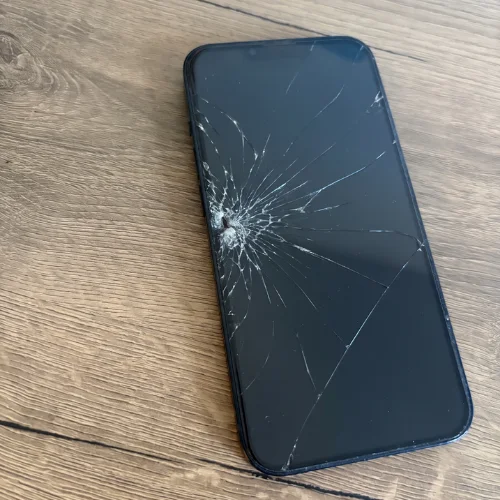
Built for edits
Truvane is trained on genuine photos where an image model added or changed one detail, the kind of edit people use to fake a claim. It also flags images the same models generate from scratch.

Truvane flags AI photos in insurance claims, refunds, disputes and returns.
Most fake evidence isn’t generated from scratch. It’s a real photo with one AI edit: a dent, a stain, a crack. That’s the case Truvane specializes in.
Truvane is trained on genuine photos where an image model added or changed one detail, the kind of edit people use to fake a claim. It also flags images the same models generate from scratch.
Truvane reads the pixels of the photo you receive for the traces AI image models leave behind. It doesn’t need EXIF data or the original file.
99.1%
of AI edits caught on FraudBench, an external benchmark (1,752 of 1,768).
Results for our latest model on full, uncropped photos scored on degraded copies. Processing time excludes upload.
Truvane looks for the traces an AI image model leaves behind, not for cars, meals or parcels, so one API call covers all of these.
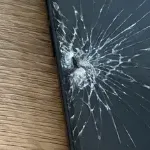
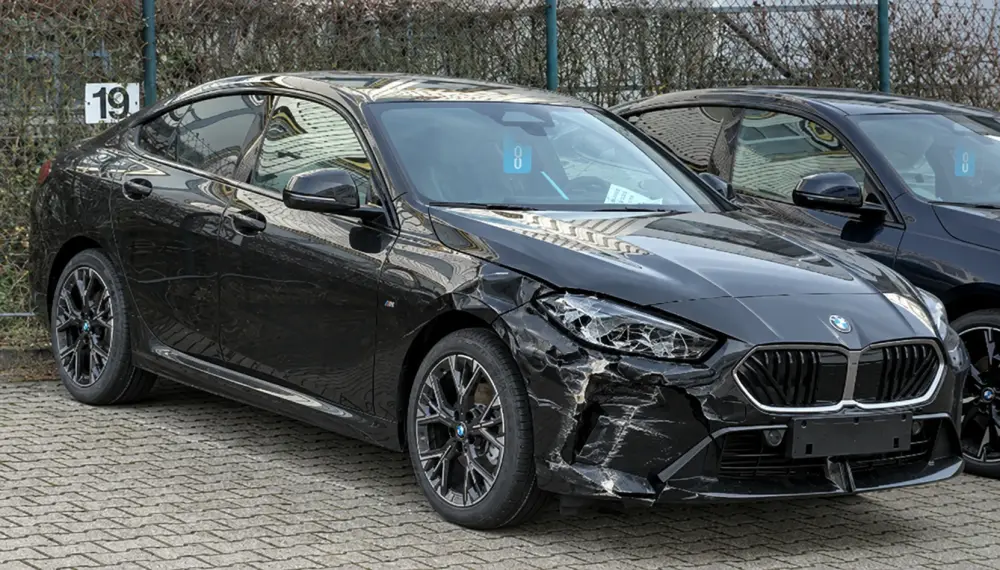
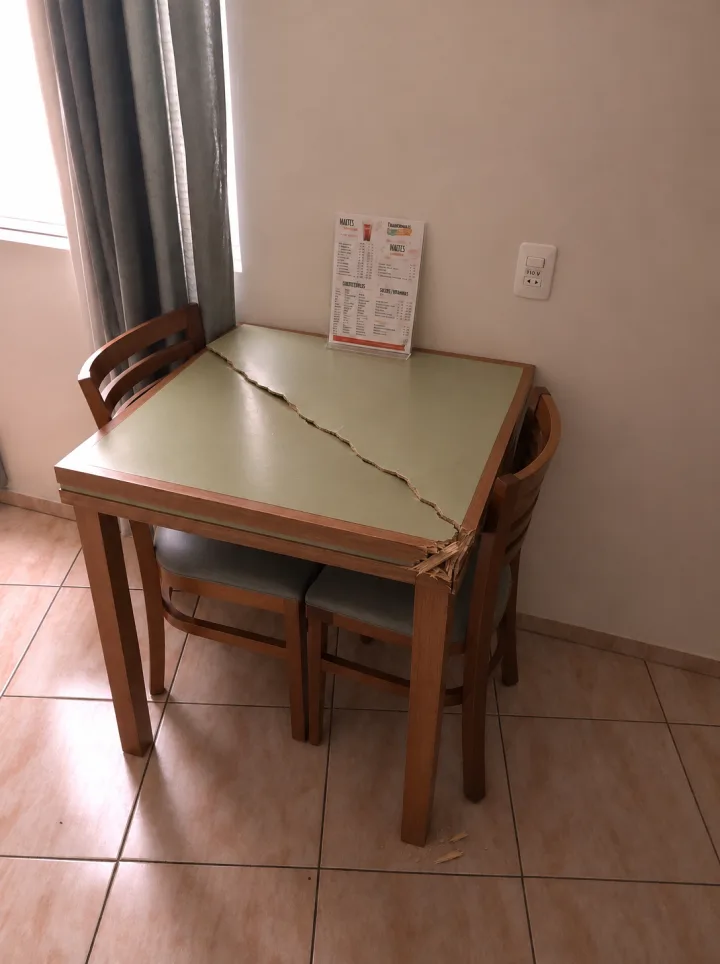
Catch dents, cracks and water damage that were added to a claim photo, before the payment goes out.
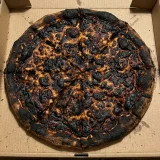
Truvane for insurance claimsHold refunds on meals edited to look raw, burnt or bug-ridden, and keep paying out on genuine complaints instantly.
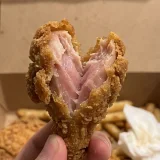
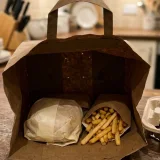
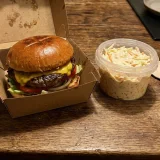
Truvane for food delivery refundsCheck the photos buyers and sellers send as evidence, so 'not as described' cases get settled on facts.
Truvane for marketplace disputesFlag damaged-on-arrival photos where the crack or tear came from an AI app, right inside the support conversation.
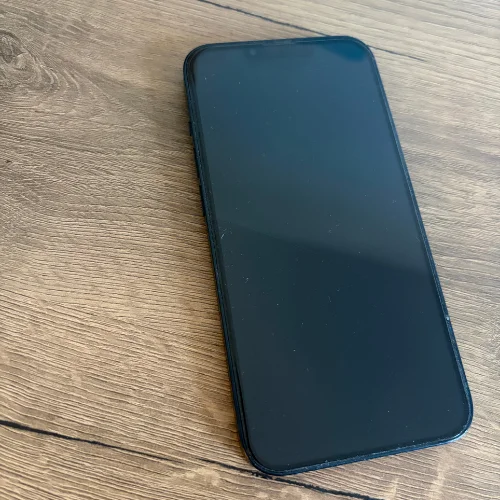
Truvane for e-commerce returnsDetects edits made in ChatGPT and Gemini, and with the models behind them: Nano Banana 2, 2.1 and Pro, and GPT Image 2, 2.5 and 2.6.
 ChatGPT
 GeminiGPT Image 2GPT Image 2.5GPT Image 2.6
Photos are processed in memory and discarded as soon as the verdict is returned. We keep a one-way hash and the verdict, never the image, and we sign DPAs for GDPR.
Read Trust & SecurityNeed photos to stay inside your own network? Truvane can run on your servers or in your private cloud, next to your claims or support systems.
Talk to us about deploymentOne endpoint, one JSON verdict. Wire it straight into your CS agent’s decision loop.
Read the API docsfrom truvane import TruvaneClient client = TruvaneClient(api_key="tv_live_••••") result = client.verify( image_url="https://cdn.merchant.com/returns/8841.jpg",) # result.authentic False# result.confidence 0.94Truvane is an image-forensics API that tells you whether a photo was edited with an AI image model. Insurers, delivery platforms, marketplaces and retailers use it to check the photos people send as evidence for claims, refunds and disputes.
Truvane detects edits made with Google's Nano Banana 2, Nano Banana 2.1 and Nano Banana Pro, and OpenAI's GPT Image 2, 2.5 and 2.6, including edits made inside the ChatGPT and Gemini apps, two of the most widely used AI apps.
Yes. Truvane also flags images generated from scratch by the models it covers. It is built for edits to real photos first, because that is how most fake claims and refund requests are made, and that is where detection is strongest.
On FraudBench, an external benchmark, our latest model caught 99.1% of AI edits (1,752 of 1,768) and flagged 2 of 1,786 genuine photos. Those are full, uncropped photos, so we recommend testing on your own claim photos before rollout. Low-confidence verdicts go to human review instead of an automatic denial.
All of them. Truvane looks for traces left by the image model, not for any particular object, so the same check applies to a car, a meal or a parcel. We publish benchmark results rather than per-industry accuracy, which is why we suggest a short pilot on your own photos.
No. Each photo is processed in memory and discarded once the verdict is returned. We keep a one-way hash and the verdict, not the image.
Yes. The REST API returns a machine-readable JSON verdict, so your helpdesk, returns portal, claims system or AI agent can call it and act on the result.
Book a 30-minute demo, or go straight to the API docs and send your first photo.