Catch AI-faked damage photos in e-commerce returns
"It arrived broken" plus a photo is often enough for a refund without a return. Now the crack in that photo can come from an AI app. Truvane checks return and damage-claim photos for edits from the most popular AI image models before the refund goes out.
Returns fraud has a new tool
Many retailers refund damaged-on-arrival claims without asking for the item back, because shipping it back costs more than it's worth. The photo is the whole case, and one prompt can add a cracked screen, a ripped seam or a crushed box to a picture of a perfectly good product.
The losses were large before AI made faking easier. Appriss Retail puts preventable loss from returns fraud and abuse at $100 billion in 2025, about 14% of everything returned.
$100B
of 2025 returns was preventable loss from returns fraud and abuse, 14.2% of the $706B returned.
65%
of shoppers say AI has made it easier to falsely claim refunds for things they bought online.
What the edits look like
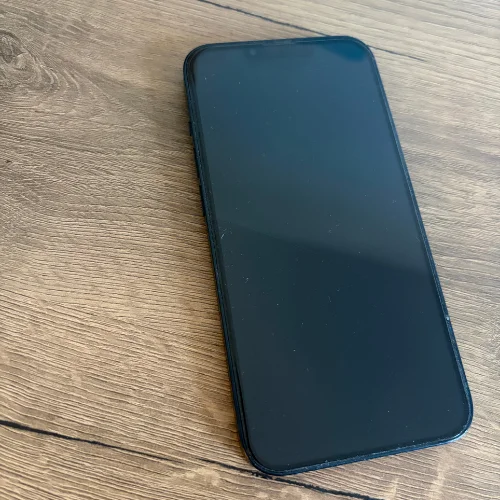 Original photo
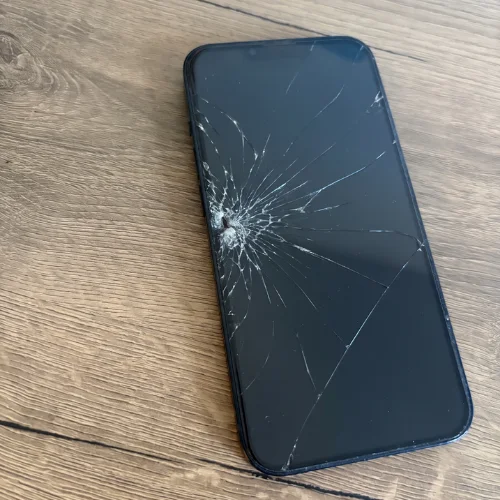 After one prompt
- Cracked screens and broken parts on electronics
- Tears, stains and pulled threads on clothing
- Crushed or water-damaged packaging
- Chips and cracks on furniture, ceramics and glass
Where Truvane sits in a return
Check at claim time
Call the API from your returns portal, helpdesk or AI support agent when a damage photo comes in.
Get a verdict
Genuine or edited, with a confidence score, in under 50 ms of processing time per photo.
Route the refund
Approve genuine claims instantly. Ask for the item back on flagged ones, or hand them to an agent.
How our latest model performs
99.1%
of AI edits caught on FraudBench, an external benchmark (1,752 of 1,768).
- 0.11%
- false alarms, 2 of 1,786 genuine photos
- <50 ms
- processing time per photo
Results for our latest model on FraudBench, an external benchmark, using full, uncropped photos scored on degraded copies. Processing time is per photo and excludes upload.
Works for the mainstream AI photo editors
Detects edits made in ChatGPT and Gemini, and with the models behind them: Nano Banana 2, 2.1 and Pro, and GPT Image 2, 2.5 and 2.6.
 ChatGPT
 Gemini
- Nano Banana 2
- Nano Banana 2.1
- Nano Banana Pro
- GPT Image 2
- GPT Image 2.5
- GPT Image 2.6
E-commerce returns: common questions
Does it work with Shopify, Zendesk or Gorgias?
Yes, through the REST API. Your storefront, helpdesk or AI support agent sends the photo and gets back a JSON verdict it can act on.
Will honest customers get flagged?
Rarely. On FraudBench our latest model flagged 2 of 1,786 genuine photos, about 1 in 1,000. Low-confidence results go to a person instead of an automatic denial.
Which AI image tools does Truvane detect?
Edits made with Google's Nano Banana 2, Nano Banana 2.1 and Nano Banana Pro, and OpenAI's GPT Image 2, 2.5 and 2.6, including edits made inside the ChatGPT and Gemini apps, two of the most widely used AI apps.
How accurate is Truvane?
On FraudBench, an external benchmark, our latest model caught 99.1% of AI edits (1,752 of 1,768) and flagged 2 of 1,786 genuine photos. Truvane looks for the traces an image model leaves behind, not for any particular kind of object, so the same detector applies whatever the photo shows. We recommend a short pilot on your own photos before rollout.
Other places Truvane works
The same detector, the same API call, wherever a photo is the evidence.
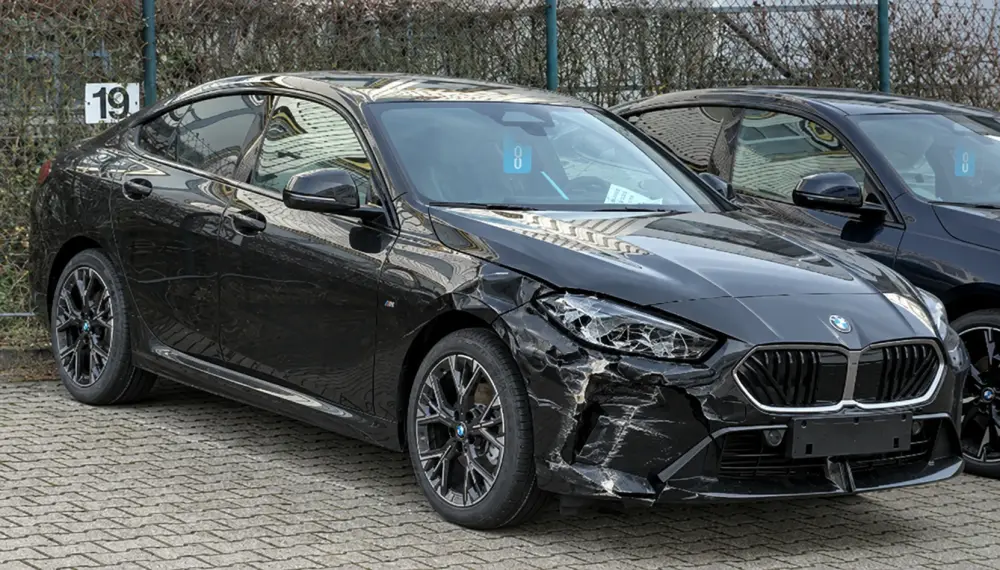
Insurance claims
Spot dents, cracks and water damage that were added to a claim photo with an AI editor.
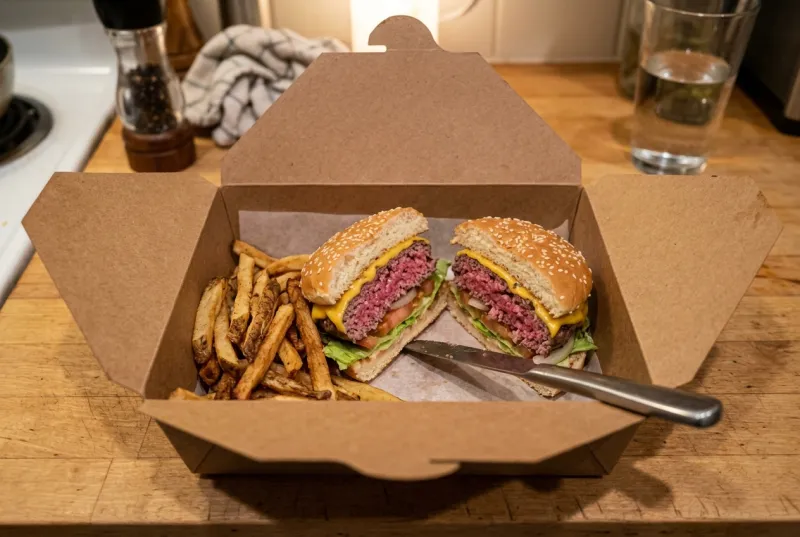
Food delivery refunds
Catch photos of meals edited to look raw, burnt or bug-ridden to get a refund.
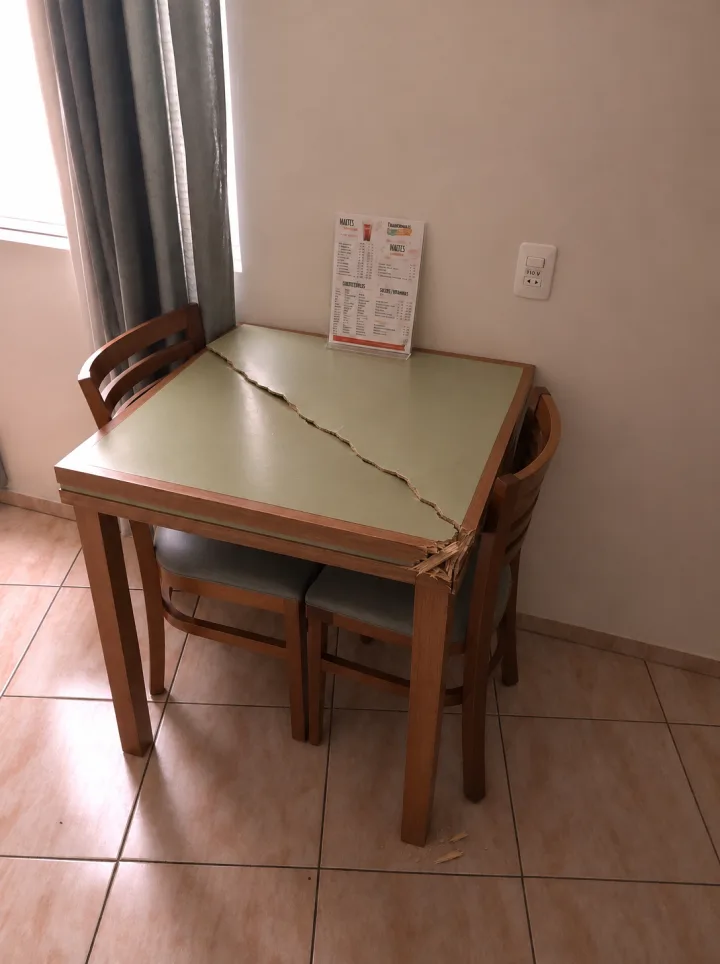
Marketplace disputes
Check the photos buyers and sellers send as evidence in 'not as described' disputes.

See it on the photos your team reviews
Book a 30-minute demo, or go straight to the API docs and send your first photo.