Catch AI-faked photos in food delivery refunds
A customer photographs a perfectly good meal, asks an AI app to make it look undercooked, and sends the result to support. Truvane checks refund photos for edits from the most popular AI image models, so your team can approve real complaints fast and stop paying for invented ones.
Refund photos are the easiest evidence to fake
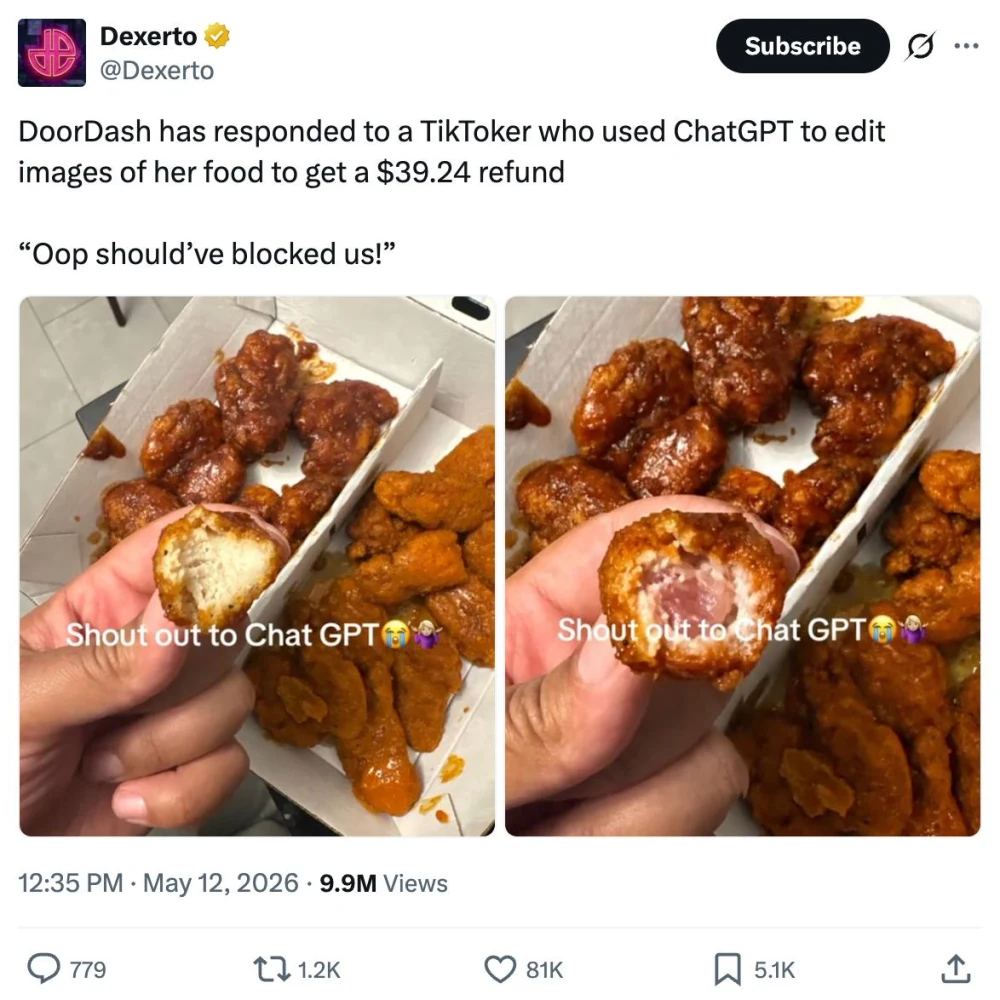
Food refunds are small, frequent and decided in seconds. That's why support leans on the photo: if it shows a raw chicken leg or a fly in the dessert, the refund goes out. Generative editing tools turned that photo into a prompt.
In January 2026 the New York Post reported a spike in customers using generative AI to make delivery orders look undercooked or bug-ridden to get refunds from apps like Uber Eats and DoorDash. Restaurants often end up carrying the cost.
48%
of consumer fraud on food delivery and ride-hailing apps in 2024 was refund abuse.
65%
of shoppers say AI has made it easier to falsely claim refunds for things they bought online.
What the edits look like
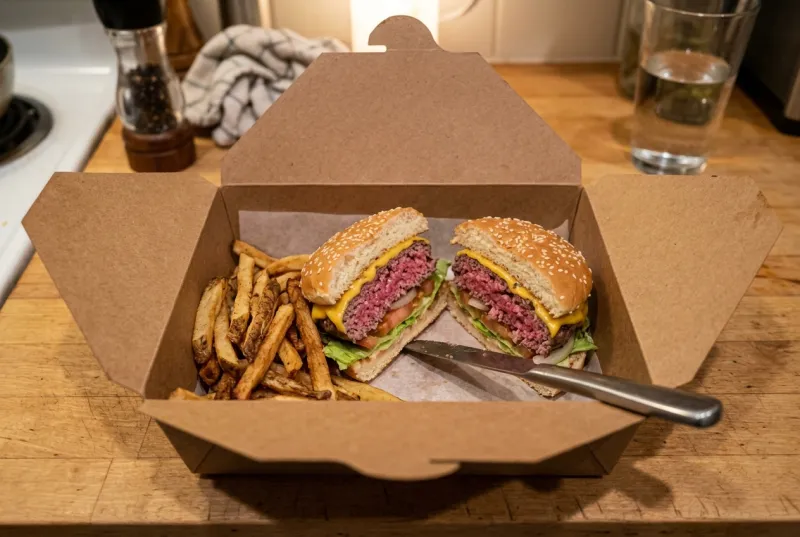
- Meat, rice or dough edited to look raw or undercooked
- Insects or hair added to a dish
- Food made to look burnt, crushed or spilled
- Melted, smashed or leaking desserts and drinks
Where Truvane sits in the refund flow
Check at the refund request
Call the API when the customer uploads a photo in your app or support chat.
Verdict in milliseconds
Under 50 ms of processing time per photo, so the check fits inside an automated refund flow.
Decide with context
Approve genuine complaints instantly. Send flagged ones to an agent, ask for another photo, or hold the refund for review.
How our latest model performs
99.1%
of AI edits caught on FraudBench, an external benchmark (1,752 of 1,768).
- 0.11%
- false alarms, 2 of 1,786 genuine photos
- <50 ms
- processing time per photo
Results for our latest model on FraudBench, an external benchmark, using full, uncropped photos scored on degraded copies. Processing time is per photo and excludes upload.
Works for the mainstream AI photo editors
Detects edits made in ChatGPT and Gemini, and with the models behind them: Nano Banana 2, 2.1 and Pro, and GPT Image 2, 2.5 and 2.6.
 ChatGPT
 Gemini
- Nano Banana 2
- Nano Banana 2.1
- Nano Banana Pro
- GPT Image 2
- GPT Image 2.5
- GPT Image 2.6
Food delivery refunds: common questions
Will this slow down refunds for honest customers?
No. The check takes milliseconds, and on FraudBench our latest model flagged only 2 of 1,786 genuine photos. Most customers will never notice it's there.
Can restaurants use Truvane, or only delivery platforms?
Anyone handling refund photos can call the API. Platforms usually run it on every refund request. Restaurant groups can use it on the refunds they want to dispute.
Which AI image tools does Truvane detect?
Edits made with Google's Nano Banana 2, Nano Banana 2.1 and Nano Banana Pro, and OpenAI's GPT Image 2, 2.5 and 2.6, including edits made inside the ChatGPT and Gemini apps, two of the most widely used AI apps.
How accurate is Truvane?
On FraudBench, an external benchmark, our latest model caught 99.1% of AI edits (1,752 of 1,768) and flagged 2 of 1,786 genuine photos. Truvane looks for the traces an image model leaves behind, not for any particular kind of object, so the same detector applies whatever the photo shows. We recommend a short pilot on your own photos before rollout.
Other places Truvane works
The same detector, the same API call, wherever a photo is the evidence.
Insurance claims
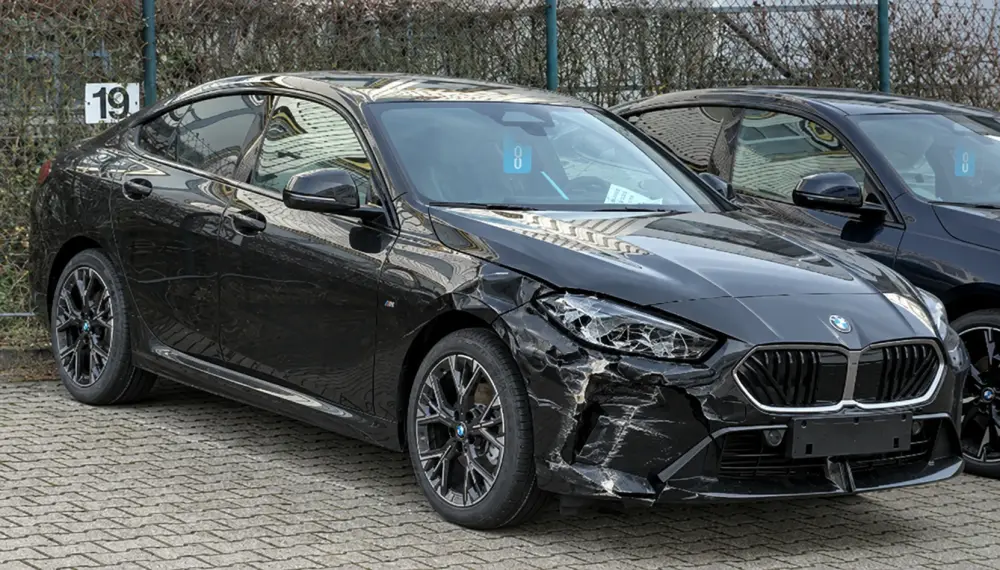
Spot dents, cracks and water damage that were added to a claim photo with an AI editor.
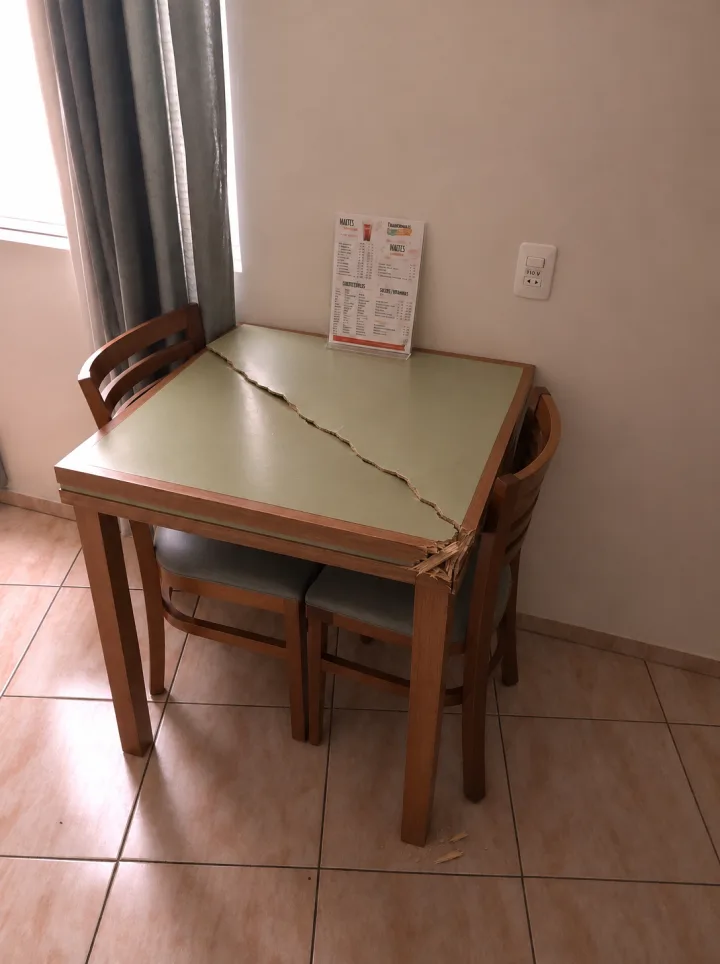
Marketplace disputes
Check the photos buyers and sellers send as evidence in 'not as described' disputes.
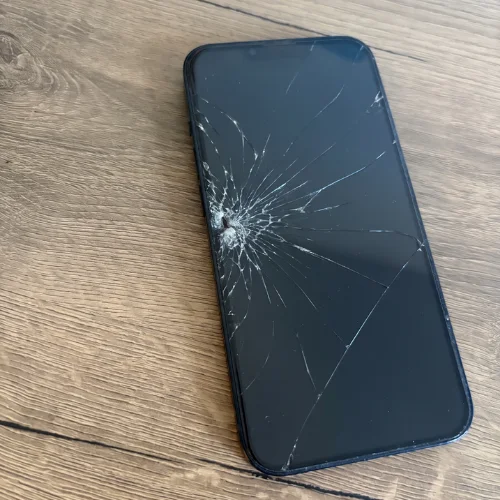
E-commerce returns
Flag damaged-on-arrival photos where the crack or tear came from an AI app.

See it on the photos your team reviews
Book a 30-minute demo, or go straight to the API docs and send your first photo.