Detect AI-edited photos in marketplace disputes
On a marketplace, the photo often decides who gets the money. A buyer adds a stain to a jacket and says it arrived damaged; a seller touches up a listing to hide wear. Truvane checks dispute and listing photos for edits from the most popular AI image models, so your trust and safety team can settle cases on evidence that holds up.
Either side of a dispute can fake a photo now
'Item not as described' cases usually come down to one photo from one side. Faking a convincing defect used to take real skill. Now it takes a sentence, and the result keeps the lighting and texture of the original picture.
That leaves marketplaces refereeing claims they can't verify. Siding with buyers by default costs honest sellers money and pushes them off the platform. Siding with sellers lets real complaints go unanswered.
65%
of shoppers say AI has made it easier to falsely claim refunds for things they bought online.
What the edits look like
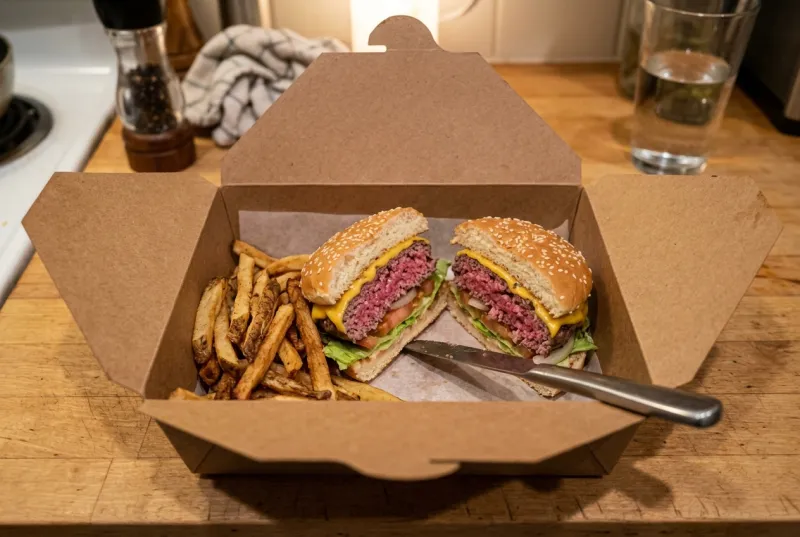
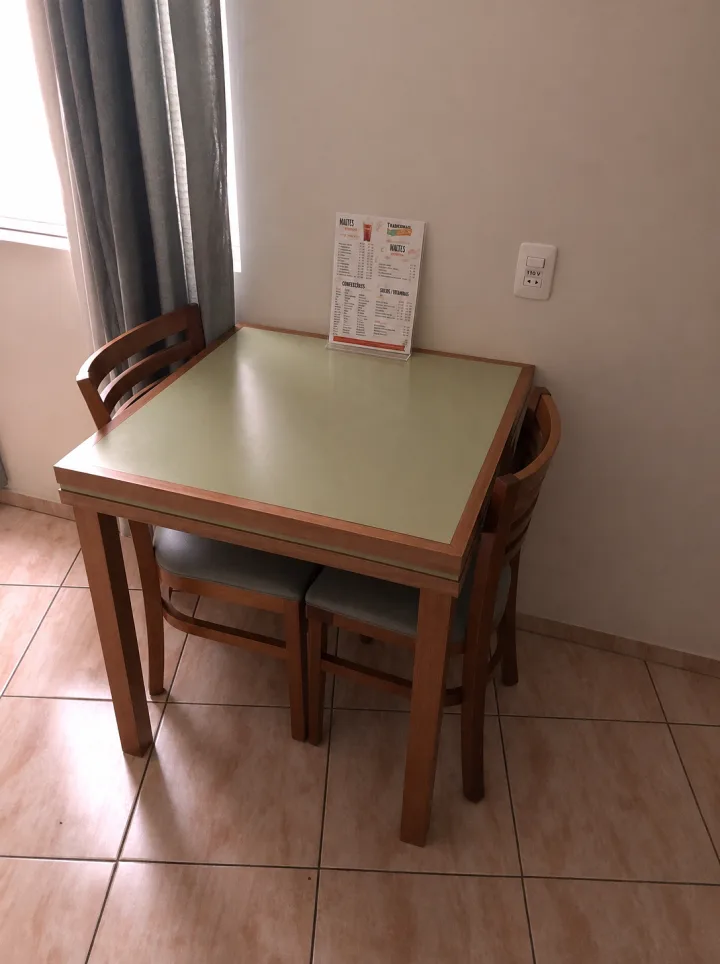 Before
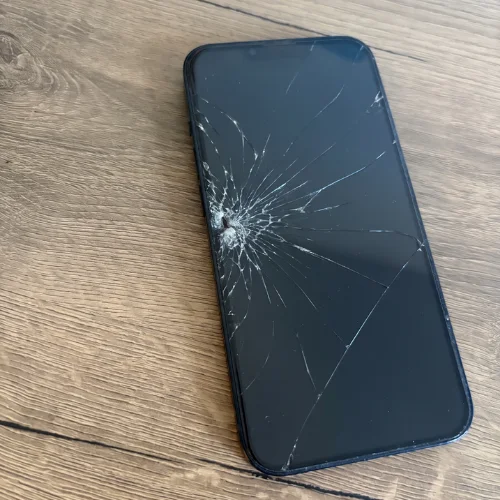
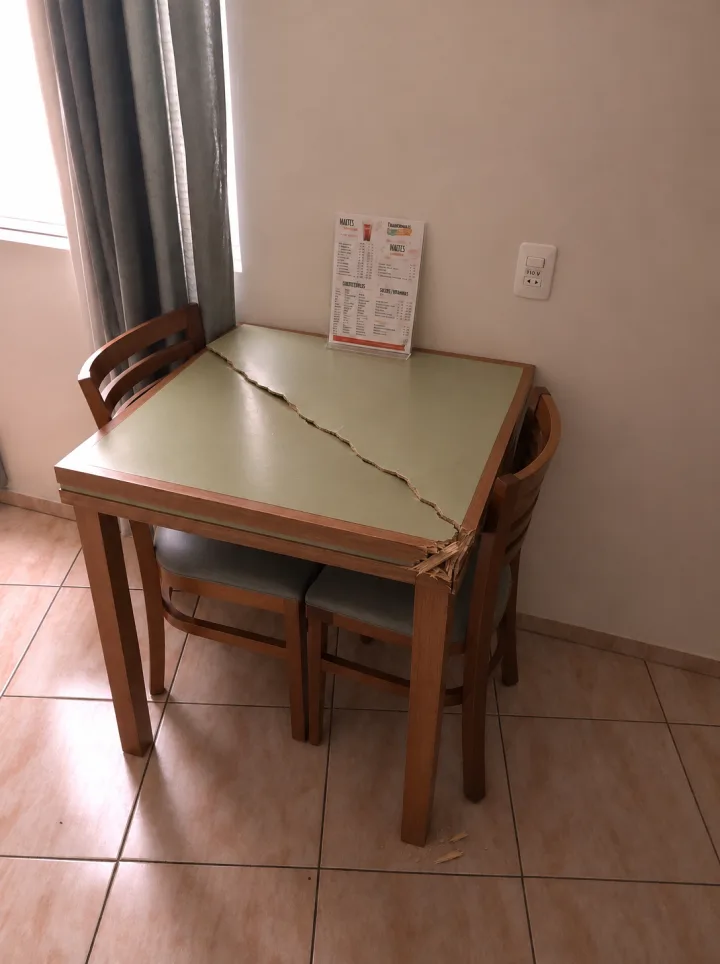 After one prompt
- Stains, tears or scuffs added to clothing and shoes
- Cracks or dents added to electronics and collectibles
- Defects added to items that arrived in good condition
- Listing photos edited to hide wear or damage
Where Truvane sits in a dispute
Check evidence at upload
Run the API on dispute photos as they come in, and on listing photos if you want to.
Get a verdict per photo
Genuine or edited, with a confidence score, in under 50 ms of processing time.
Settle with evidence
Send edited photos to your case team and decide disputes on something firmer than one side's word.
How our latest model performs
99.1%
of AI edits caught on FraudBench, an external benchmark (1,752 of 1,768).
- 0.11%
- false alarms, 2 of 1,786 genuine photos
- <50 ms
- processing time per photo
Results for our latest model on FraudBench, an external benchmark, using full, uncropped photos scored on degraded copies. Processing time is per photo and excludes upload.
Works for the mainstream AI photo editors
Detects edits made in ChatGPT and Gemini, and with the models behind them: Nano Banana 2, 2.1 and Pro, and GPT Image 2, 2.5 and 2.6.
 ChatGPT
 Gemini
- Nano Banana 2
- Nano Banana 2.1
- Nano Banana Pro
- GPT Image 2
- GPT Image 2.5
- GPT Image 2.6
Marketplace disputes: common questions
Can we check listing photos as well as dispute photos?
Yes. The API doesn't care where a photo came from. Most platforms start with dispute evidence, where the money moves, and extend to listings later.
Does a flag mean the user is committing fraud?
No. It means the photo shows signs of an edit from a supported AI model. People edit photos for innocent reasons too, so treat a flag as a reason to look closer, not as an automatic ban.
Which AI image tools does Truvane detect?
Edits made with Google's Nano Banana 2, Nano Banana 2.1 and Nano Banana Pro, and OpenAI's GPT Image 2, 2.5 and 2.6, including edits made inside the ChatGPT and Gemini apps, two of the most widely used AI apps.
How accurate is Truvane?
On FraudBench, an external benchmark, our latest model caught 99.1% of AI edits (1,752 of 1,768) and flagged 2 of 1,786 genuine photos. Truvane looks for the traces an image model leaves behind, not for any particular kind of object, so the same detector applies whatever the photo shows. We recommend a short pilot on your own photos before rollout.
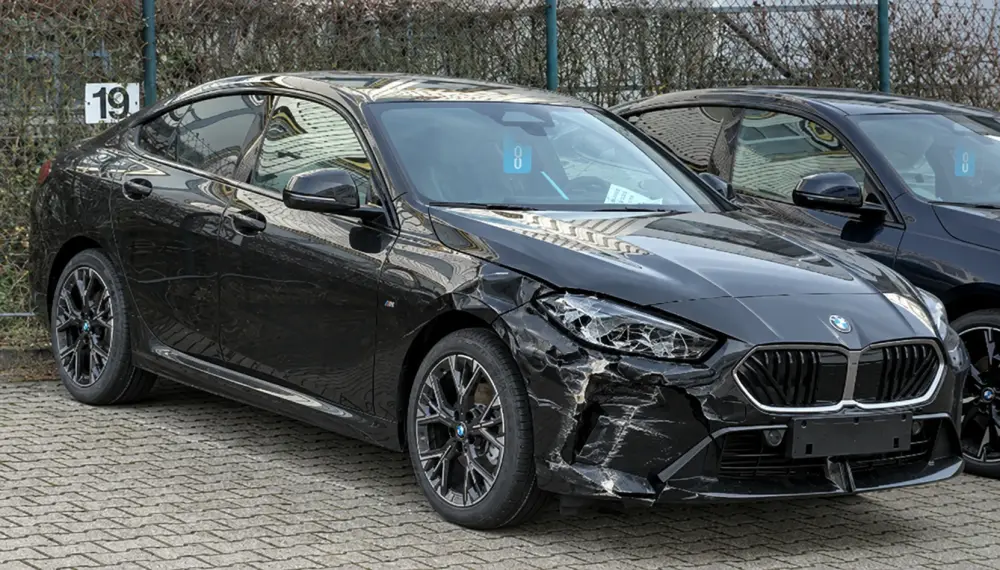
Other places Truvane works
The same detector, the same API call, wherever a photo is the evidence.

See it on the photos your team reviews
Book a 30-minute demo, or go straight to the API docs and send your first photo.