Detect AI-edited photos in insurance claims
A dented bumper, a cracked screen, a water stain on the ceiling: any of them can now be added to a photo with one sentence typed into a free app. Truvane checks claim photos for edits from the most popular AI image models and gives your adjusters a clear verdict before the payment goes out.
Photo evidence got cheap to fake
Digital first notice of loss made claims faster for honest policyholders. It also made a photo the main piece of evidence for a lot of small and mid-sized claims, and that photo is now easy to change. The editing tools built into everyday phone apps add damage that matches the lighting, angle and texture of the original shot.
Insurers already see it. In Verisk's 2026 State of Insurance Fraud study, nearly every claims professional surveyed had come across manipulated or AI-altered documentation, and about a third of consumers said they would consider editing a claim photo or document themselves.
99%
of insurance claims professionals surveyed have encountered manipulated or AI-altered documentation.
1 in 3
US consumers would consider digitally altering a claim image or document. Among Gen Z it's 55%.
What the edits look like
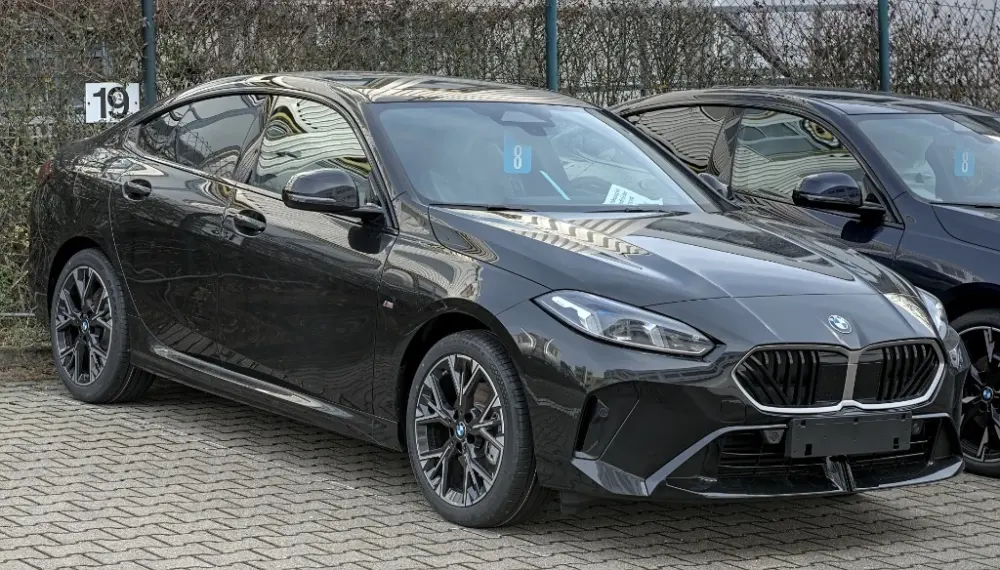 Original photo
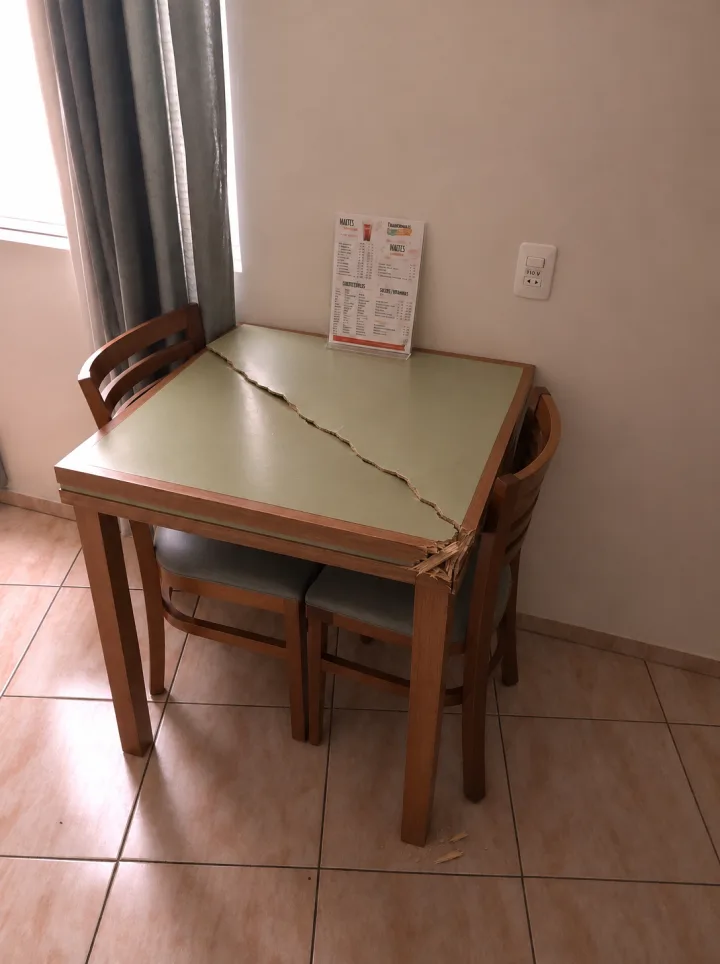
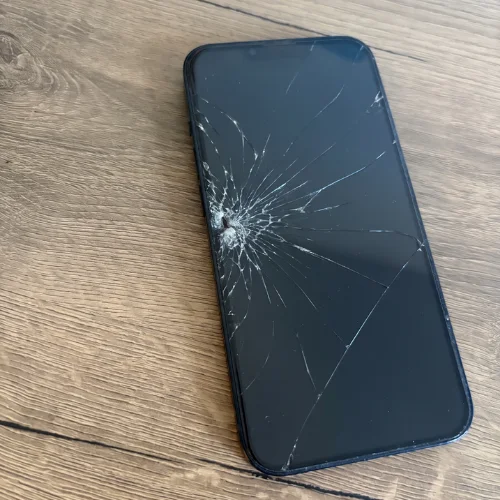
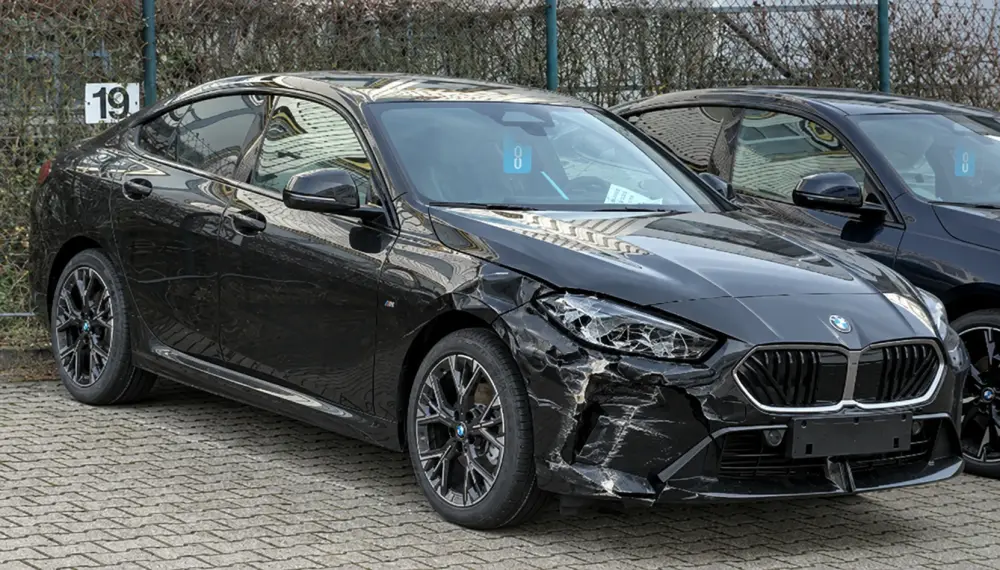 After one prompt
- Dents, scrapes and cracked lights added to an undamaged car
- Water stains, mold or cracks added to walls and ceilings
- Cracked screens and liquid damage added to phones and laptops
- Burn marks or breakage added to furniture and appliances
Where Truvane sits in the claim
Send the photo
Pass each claim photo to the API from your claims system or intake app, as a URL or a file.
Get a verdict
Truvane returns genuine or edited with a confidence score, in under 50 ms of processing time per photo.
Route the claim
Clean claims keep moving. Flagged photos go to an adjuster or your SIU queue, and low-confidence results get a human look instead of an automatic denial.
How our latest model performs
99.1%
of AI edits caught on FraudBench, an external benchmark (1,752 of 1,768).
- 0.11%
- false alarms, 2 of 1,786 genuine photos
- <50 ms
- processing time per photo
Results for our latest model on FraudBench, an external benchmark, using full, uncropped photos scored on degraded copies. Processing time is per photo and excludes upload.
Works for the mainstream AI photo editors
Detects edits made in ChatGPT and Gemini, and with the models behind them: Nano Banana 2, 2.1 and Pro, and GPT Image 2, 2.5 and 2.6.
 ChatGPT
 Gemini
- Nano Banana 2
- Nano Banana 2.1
- Nano Banana Pro
- GPT Image 2
- GPT Image 2.5
- GPT Image 2.6
Insurance claims: common questions
Does Truvane replace our SIU team?
No. It tells you which photos deserve a closer look. Investigators still make the call, now with a specific reason to look at a photo instead of a hunch.
Which AI image tools does Truvane detect?
Edits made with Google's Nano Banana 2, Nano Banana 2.1 and Nano Banana Pro, and OpenAI's GPT Image 2, 2.5 and 2.6, including edits made inside the ChatGPT and Gemini apps, two of the most widely used AI apps.
How accurate is Truvane?
On FraudBench, an external benchmark, our latest model caught 99.1% of AI edits (1,752 of 1,768) and flagged 2 of 1,786 genuine photos. Truvane looks for the traces an image model leaves behind, not for any particular kind of object, so the same detector applies whatever the photo shows. We recommend a short pilot on your own photos before rollout.
What happens to the photos we send?
Each photo is processed in memory and discarded once the verdict is returned. We keep a one-way hash and the verdict, not the image. Our Trust & Security page has the details.
Other places Truvane works
The same detector, the same API call, wherever a photo is the evidence.

See it on the photos your team reviews
Book a 30-minute demo, or go straight to the API docs and send your first photo.