

For as long as ecommerce has taken returns, a photo has counted as proof. A customer says an item showed up broken, attaches a picture, and the case gets closed. That system worked because faking a convincing photo of damage used to take real skill: image editing software, a steady hand, and enough patience to make the fake actually pass for real. It doesn't take any of that anymore, which is exactly why AI image detection for return fraud has gone from a nice-to-have to something merchants actually need.
Consumer AI photo editors, the same kind of tools people use to touch up vacation pictures, can now add a crack, a tear, a stain, or a burn mark to an otherwise pristine product photo in a few seconds, for free, with a single sentence of instructions. A 2026 survey of over 6,000 shoppers by the fraud-prevention firm Ravelin found that 65% of consumers believe AI has made it easier to falsely claim a refund. That's not a fringe opinion, it's a fairly accurate read of what's actually possible today, and merchants who built their refund process around "a photo is good enough" are the ones absorbing the cost.
Why this is happening now
Faking damage isn't new. What changed is who can do it and how fast. A couple of years ago, producing a convincing fake damage photo meant knowing your way around layers, masks, and clone tools, a real barrier that kept casual abuse rare. General -purpose AI image editors erased that barrier. Deloitte's 2025 Connected Consumer Survey found 53% of consumers are already experimenting with or regularly using generative AI tools, and the skill required to misuse one of them for a refund claim is now effectively zero: upload a photo, describe the damage you want, download the result.
That shift also changed who's involved. Ordinary shoppers who'd never have attempted a doctored photo by hand are now willing to try a prompt that takes ten seconds and costs nothing. It's one-off, opportunistic abuse from otherwise normal customers that's driving the volume.
The economics only make it worse. Generating a fake image costs the abuser nothing and takes seconds. If it works, the payoff is a full refund on an item they never had a problem with. That asymmetry, near-zero cost against a real payout, is exactly the kind of setup that invites people to try it "just this once," and then keep doing it once it works.
Regulators have started paying attention too. In April 2026, the U.S. Consumer Product Safety Commission opened a formal request for information on recall fraud, asking specifically about "manipulated, forged, or synthetically created visuals" used to falsely claim a product was destroyed or otherwise met a recall remedy's requirements. Industry commenters who responded before the comment period closed that June described AI-generated photos as already good enough to defeat traditional photo-based verification. Recalls aren't returns, but the failure mode is identical: any process still built on "a photo is good enough" is exposed.
How it works
The pattern doesn't require any technical skill. A customer receives a product in good condition, but instead of a genuine damage photo, submits one edited by a generative AI tool to show a tear, a crack, mold, or discoloration. The claim gets paid out, often without the merchant ever asking for the item back, since many don't bother requesting a return on low-value or bulky items.
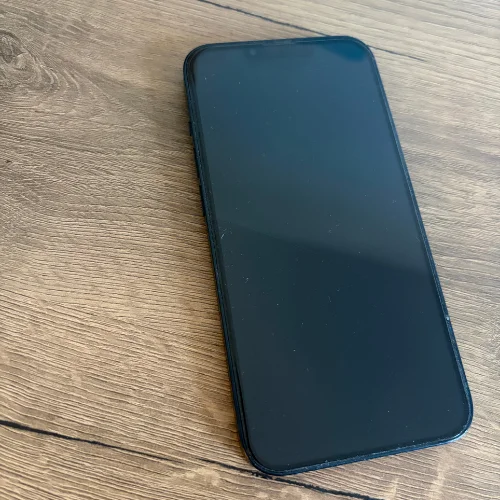 Genuine photo
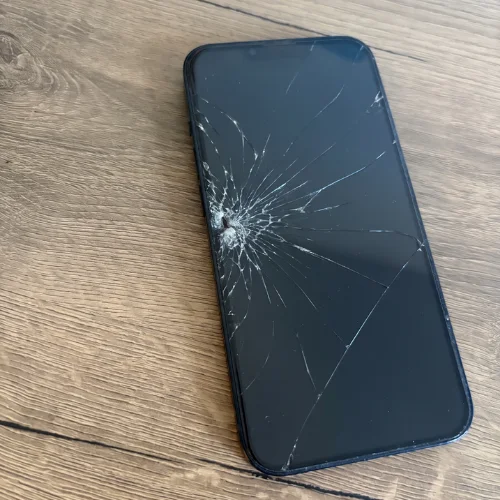 After a one-line AI edit
If a merchant does push back, the same fabricated image can resurface later as "evidence" in a card-network dispute, turning a declined refund into a chargeback instead. That second attempt matters: a merchant that correctly identifies and rejects a fraudulent refund claim hasn't necessarily closed the door, the same photo can still cost them money a few weeks later if it reaches a bank reviewer who has even less context than the original support agent did.
Patterns worth watching for
A few recurring shapes show up across merchants dealing with this, and they tend to target whatever makes verification expensive or impossible for the merchant:
- Cheap items nobody wants shipped back. On a $20 phone case or a kitchen gadget, most merchants won't spend $6 on a return label, so the claim gets waved through, and the customer keeps a perfectly good item plus their money.
- Big or awkward items. A "cracked" treadmill console or a "dented" patio grill is expensive and often impractical to have collected, so merchants tend to write it off rather than argue. Anything requiring specialist handling, like a device with a lithium-ion battery, gets the same treatment: the abuser often volunteers to dispose of it themselves, removing any chance of physical inspection.
- Anything that can't be returned at all. Food delivery is the extreme case: a customer takes a bite out of a hamburger, then asks an AI editor to make the meat look raw and undercooked, and asks for his money back. No restaurant or delivery platform is sending someone to pick up and inspect a half-eaten burger, so a doctored photo is effectively unfalsifiable.
- Wear-then-fake-damage on gear. A shopper buys something for a one-time occasion, a blazer for an interview, a camera for a trip, immediately generates a fake tear or crack, and gets approved for a return. That approval buys them a window to actually use the item before sending it back, at which point they inflict the damage they already "documented," so the returned item now roughly matches the fake photo.
- Before-and-after manipulation on peer-to-peer rentals. Anywhere a "before" and "after" photo pair matters, camera gear, power tools, party equipment rented directly between individuals, the same tools can edit out damage the renter actually caused, or fabricate damage that was never there to justify a complaint and a refund.
Why this is hard to catch by eye
Support agents are trained to resolve tickets fast and keep customers happy, not to run forensic analysis on an image file. A photo that looks plausible at a glance will usually clear review, and today's editing tools are good enough to clear that bar most of the time.
The incentives make it worse. A team measured on resolution time and customer satisfaction has every reason to approve a plausible-looking claim quickly, and no built-in reason to second-guess a photo that looks fine. Meanwhile a merchant that starts contesting every borderline claim risks alienating honest customers who really did receive a damaged item, and can still lose the dispute later anyway if the case ends up in a bank's hands. Treating every claim with equal suspicion isn't free, it's just a different kind of cost, paid in support friction and lost goodwill instead of fraud losses.
The same problem shows up, in a sharper form, wherever an AI return agent handles the claim instead of a person. A growing number of merchants now route damage and defect claims to an AI agent that looks at the photo and decides on the spot: approve, deny, or escalate. That agent is usually judging plausibility with a vision model, not running forensic checks, so a convincing fake clears it exactly the way it clears a human glancing at the same photo. The difference is speed and volume: an agent built to resolve claims instantly, without a person in the loop, will approve a fabricated claim just as instantly, and do it at a scale no support team could match. Whatever is making the approve or deny call, human or AI agent, still needs a real answer to whether the photo itself is genuine.
A tiered response, not a blanket one
The fix isn't to make every customer jump through hoops. Most refund claims are genuine, and piling on verification steps for all of them trades a fraud problem for a churn problem. What tends to work better is matching the amount of friction to the actual risk of the specific claim:
- Low friction, always on. An automated image forensics check that runs in the background on every claim photo, with no extra steps for the customer.
- Medium friction, for anything ambiguous.Asking for a second angle, a slightly longer video pan around the item, or a couple of follow-up questions. Genuine customers can do this without much trouble; someone working from a single generated image usually can't produce a second, consistent one on request.
- High friction, reserved for high-risk or high-value claims. Requiring the photo to be captured live inside a merchant's own app, rather than uploaded from a camera roll, or a short video call with a support agent. Both are enough friction that most fraudulent claims get abandoned rather than pushed through.
Live capture raises the bar, but it isn't a substitute for checking what actually comes through: a live-captured image can still be replayed into a camera feed or passed through a rooted device, so the forensics layer stays in place at every tier, live capture included, rather than being swapped out for it.
A live-capture requirement also punishes honest customers with a real photo and no way to retake it. Someone who photographed the damage the moment it happened, say, for a car accident, and already sent that photo to their insurer, only has that one image to submit. They can't recreate the moment on demand just because a merchant's app insists on a fresh, in-app shot. A policy that only accepts live captures doesn't stop them from being honest, it stops them from being able to file the claim at all.
The forensics verdict itself is what should decide the tier. A photo that reads as clearly genuine can clear instantly, no extra steps needed. A photo that reads as clearly manipulated can be denied or escalated straight to a human on the spot. Everything in between, the genuinely ambiguous cases, is where the medium- and high-friction steps earn their keep, instead of being applied to every claim regardless of how the photo actually checks out.
Where AI image detection fits
The tiering above only works if the low-friction, always-on layer is actually good at telling real photos from generated ones, since that's what decides which claims get escalated in the first place. A few signals matter most:
- Metadata and EXIF checks. A photo with no metadata, or metadata that points to editing software, is worth a second look.
- Model-fingerprint detection. Generative image models tend to leave statistical traces in their output that differ from a real camera capture, even when the image looks convincing to a person.
- A verdict at the point of claim, not after the fact. Catching a manipulated photo during the support interaction, in under a second, means an agent can route it to a higher friction tier before a refund goes out, instead of discovering the pattern weeks later in a chargeback report.
This is the layer Truvane sits on: send us the claim photo, get back a genuine-or-manipulated verdict fast enough to sit inside the support conversation itself, whether a person or an AI return agent is the one making the call, with borderline cases routed up a friction tier instead of an automatic decision either way. The goal isn't to flag every customer, it's to make sure the handful of fabricated photos get caught before the refund goes out, without slowing down the vast majority of claims that are completely genuine.